Top Strategies to Balance Full-Time Work With Part-Time Study Commitments
May 02, 2026



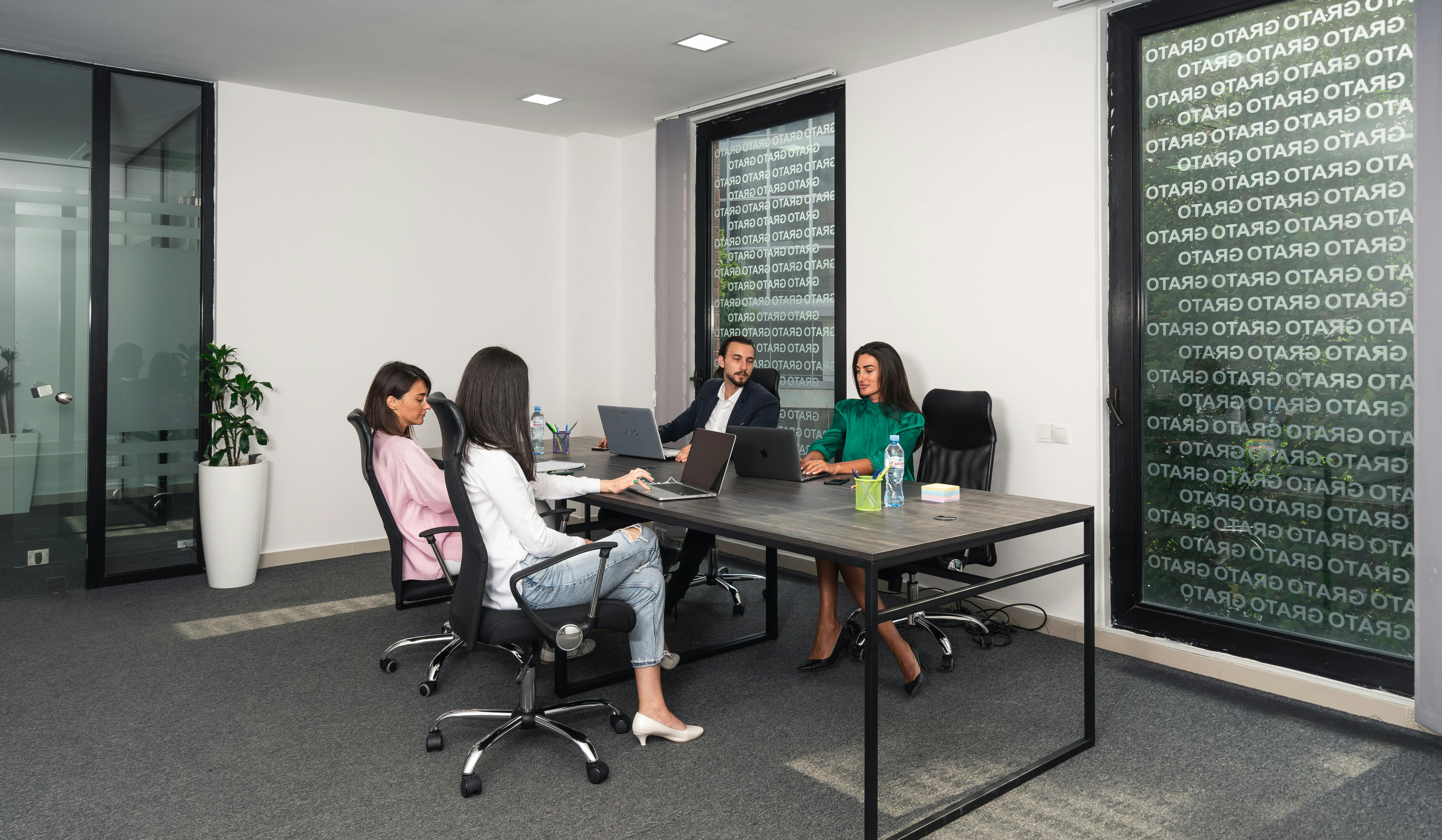
Many companies now use open-plan offices to encourage teamwork and help colleagues connect throughout the workday. While this layout can make it easier to share ideas and build relationships, it sometimes brings distractions and noise that can interrupt concentration. Finding ways to overcome these difficulties allows everyone to benefit from the open space without sacrificing their ability to get work done. By making a few thoughtful adjustments, teams can create a setting that supports both collaboration and individual focus. Here you will find seven practical methods designed to help boost productivity and maintain comfort in any open-plan workspace.
Good lighting significantly impacts your ability to concentrate and work efficiently. Natural light is ideal because it enhances mood and reduces eye strain. Position your workspace near windows when possible, and use adjustable blinds or curtains to control glare and brightness. Supplement natural light with quality artificial lighting that mimics daylight, such as LED bulbs with a high color rendering index (CRI). Install adjustable desk lamps to tailor lighting for different tasks, especially in areas where natural light is insufficient.
Proper lighting not only improves visibility but also helps regulate your circadian rhythm, keeping you alert and energized throughout the day. When your workspace is well-lit, you spend less time straining your eyes, which minimizes fatigue and discomfort. Make it a habit to evaluate your lighting regularly and adjust fixtures or window coverings to maintain a bright, inviting environment conducive to focus and productivity.
Designating specific areas within the open space for different tasks helps you maintain focus and reduce interruptions. Use physical barriers such as partition screens or portable dividers to carve out quiet zones for tasks that require deep concentration. Consider investing in ergonomic furniture that allows you to customize your workspace, making it more comfortable for long periods of work.
Establishing personal zones also involves setting boundaries with colleagues. Politely communicate your need for uninterrupted time during certain hours, and encourage others to respect these zones. Using signage or visual cues, like headphones or “do not disturb” signs, can further reinforce your focus areas. When each person has a dedicated space for specific activities, everyone can work more effectively without constantly shifting attention or dealing with distractions.
Smart use of technology makes it easier to manage your workload and maintain focus amidst a bustling environment. Noise-canceling headphones can be a game-changer in noisy offices, allowing you to work without constant disruptions. Digital tools streamline task management and communication, saving time and reducing frustration. When you harness these devices and apps effectively, you can create a more organized, distraction-free workflow that enhances overall productivity.
Minimize interruptions by controlling the level of noise and visual distractions around you. Keep a pair of noise-canceling headphones handy and use white noise machines or ambient sound apps to mask background chatter. If colleagues tend to talk loudly nearby, politely ask for quieter times or suggest designated quiet zones.
Creating a more peaceful environment directly influences your capacity to concentrate and accomplish tasks efficiently. By actively managing noise levels and visual clutter, you reduce mental fatigue and maintain a clearer focus. Cultivating a respectful space where colleagues also recognize the importance of minimizing distractions benefits everyone and leads to improved productivity across the team.
Working in an open environment often encourages spontaneous conversations, which can be both beneficial and distracting. Schedule regular, brief breaks for collaborative discussions to prevent these interactions from interrupting your flow. Designate specific times during the day when team members can gather for quick meetings or brainstorming sessions.
This approach ensures that collaboration remains productive and does not interfere with individual work periods. Using tools like shared calendars or scheduling apps helps coordinate these breaks efficiently. When everyone understands the value of structured collaboration, they can contribute ideas without disrupting their own focus or that of others.
Promoting intentional interaction helps maintain a balance between teamwork and individual productivity, leading to a more harmonious and efficient work environment.
Adjust your open workspace with practical changes like optimizing lighting, creating personal zones, and managing noise. Use technology effectively and schedule breaks to improve focus and teamwork. These steps lead to a more productive work environment.

Busy workdays often leave people feeling exhausted before Monday even arrives, and the thought of tackling a full inbox can seem overwhelming. Constant pressure to meet...
Jul 05, 2026

Late nights often end with a notification about yet another assignment, even after shutting down your laptop. That lingering connection to work can make it hard to truly...
Jun 21, 2026

Clear routines and dependable tools help teams work smoothly across multiple locations. Setting regular meeting times that consider each region’s work hours keeps...
Apr 07, 2026

Balancing demanding schedules with the pursuit of specialized credentials in a busy city requires careful attention to how each day unfolds. Track your activities...
Mar 27, 2026

Cities pulse with creative opportunities and attract a wide range of clients. Starting a consulting practice in these areas opens the door to working with neighborhoods,...
Mar 17, 2026

Professionals can quickly earn micro-credentials to showcase expertise in specialized fields such as project management, data analysis, or UX design. These concise...
Mar 31, 2026

Running a bustling office in a large city calls for more than just keeping up with a packed schedule. Success depends on knowing which responsibilities need your...
Apr 11, 2026

Small remarks or behaviors in the workplace sometimes reveal hidden biases, even when people do not mean any harm. These microaggressions may seem minor at first, but...
May 12, 2026

Managing both paid side projects and career advancement within a company requires steady focus and dedication. You may find yourself developing proposals for freelance...
Apr 18, 2026

Expanding markets create exciting possibilities for consultants who want to support businesses during times of change. This guide lays out a straightforward approach,...
Jul 01, 2026

Adjusting to life at a larger company after working in a fast-moving startup introduces new experiences and opportunities for growth. You carry valuable creative skills...
Jun 28, 2026

Busy finance professionals often seek efficient ways to sharpen their expertise and stay competitive in the field. Intensive bootcamps provide practical instruction in...
Apr 25, 2026

Changes in the economy can disrupt career paths and bring unexpected challenges. Understanding how downturns develop allows you to take thoughtful steps instead of...
Mar 11, 2026

Leaving a long-held position can bring a fresh outlook, while also presenting challenges such as uncertainty about future opportunities. You may encounter difficulties...
May 23, 2026